
What helps a drum repair last
Supports checked closely
Worn rollers, seals and glides can mimic a damaged drum if ignored.
Clothes-catching faults handled
We look for edges, movement and contact that can snag a load mid-cycle.
Stable turning restored
The goal is a level drum that rotates cleanly without scraping or wobble.
When the drum no longer turns as it should
Drum faults show up in ways that are hard to ignore. The drum may feel stiff, sit out of line, move too much, scrape against the cabinet or catch clothes during the cycle. Sometimes the lifters inside are damaged. Sometimes the real issue sits in the bearings, rollers, shaft, seals or glides that keep the drum level and moving smoothly. The useful job is working out whether the drum itself is damaged or whether wear in its supports is creating the visible problem. With Tumble Dryer Repairs, we inspect the turning parts and surrounding contact points together so the repair fits the actual fault rather than the symptom that looks worst from the outside.
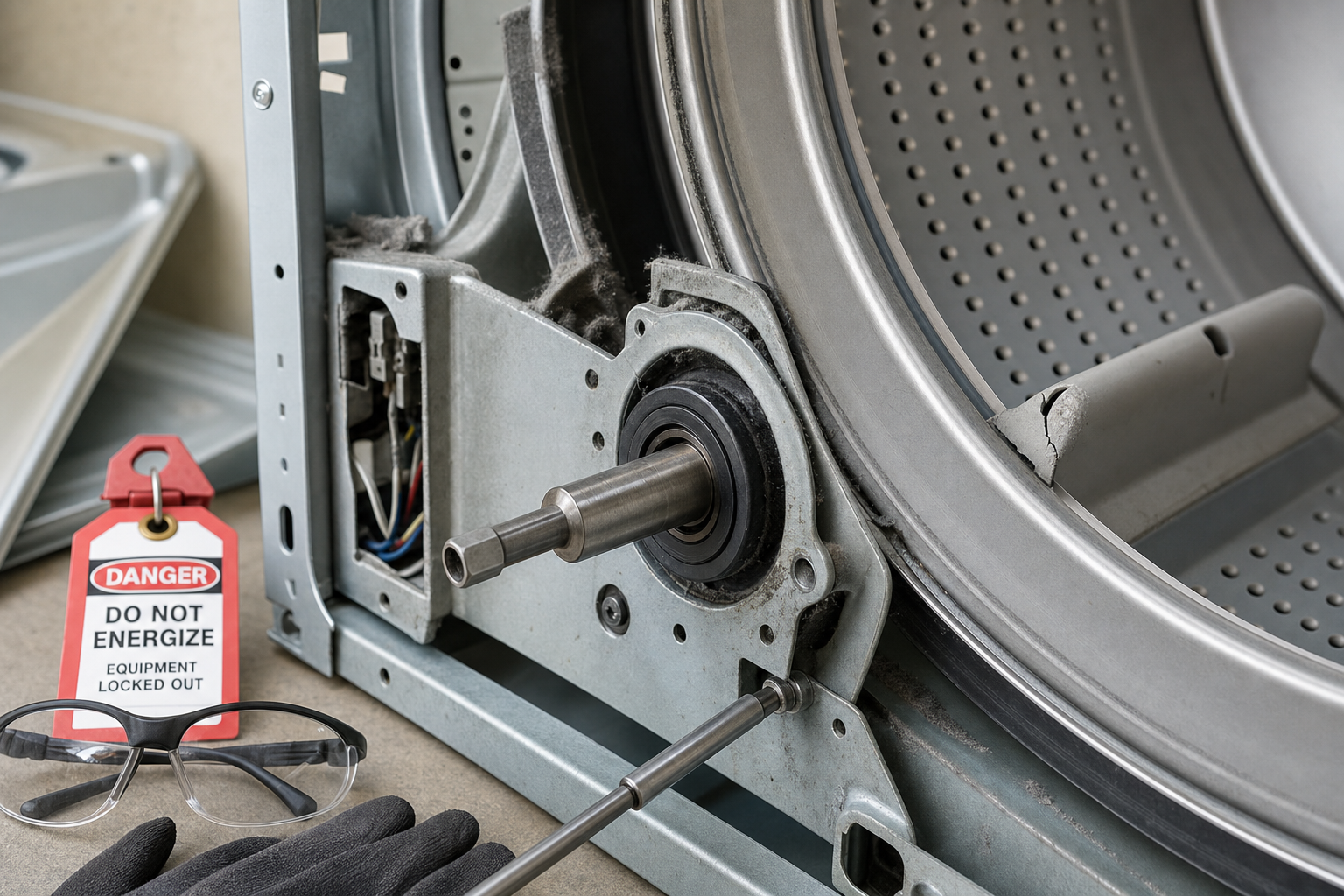
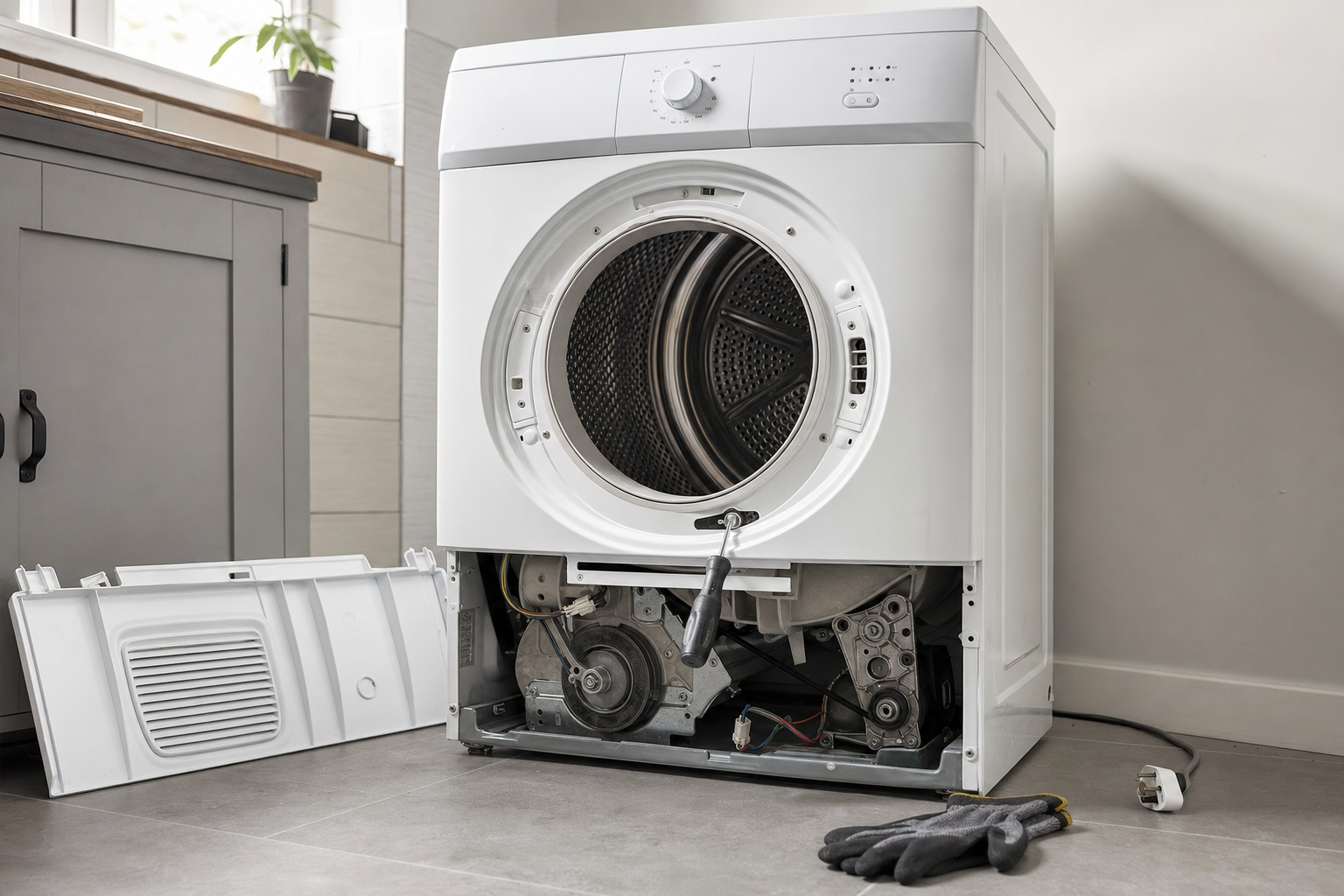
Stable rotation and better protection for clothing
Once the affected part has been identified, the next step may be repairing or replacing support components, drum fittings or, in some cases, the drum assembly itself. The aim is to restore stable rotation, stop metal or seal contact where it should not happen and reduce the risk of clothes snagging during a cycle. Choosing Tumble Dryer Repairs means you get a clear explanation of which part is at fault and why that is producing the movement or scraping you have noticed. In and around Stourbridge, we keep the repair focused on smooth turning and practical use, not just making the noise slightly less obvious for a day or two.
Frequently asked questions
What causes a tumble dryer drum to scrape or wobble?
Scraping or wobble can come from worn supports such as rollers, glides, bearings or seals, but it can also point to alignment problems or damage to the drum itself. The repair depends on which part has lost support or started making contact where it should not.
Can a drum fault damage clothing?
Yes. If the drum is out of line, moving too much or has damaged fittings, clothes can catch or rub during the cycle. That is one reason it is worth dealing with drum faults sooner rather than later, rather than simply tolerating the noise or rough movement until something snags badly.
Do you always replace the whole drum assembly?
No. Many drum issues come from supporting parts rather than the drum itself, so the sensible repair may be more targeted. We inspect the drum, its fittings and the components that hold it level before recommending the repair route that best fits the actual fault and machine condition.